🎙️ The Joy of Reading Stories Aloud
Why Read Aloud Stories Matter
What if just 10 minutes a day could shape your child’s confidence, imagination, and future learning ability?
That’s the quiet power of read aloud stories.
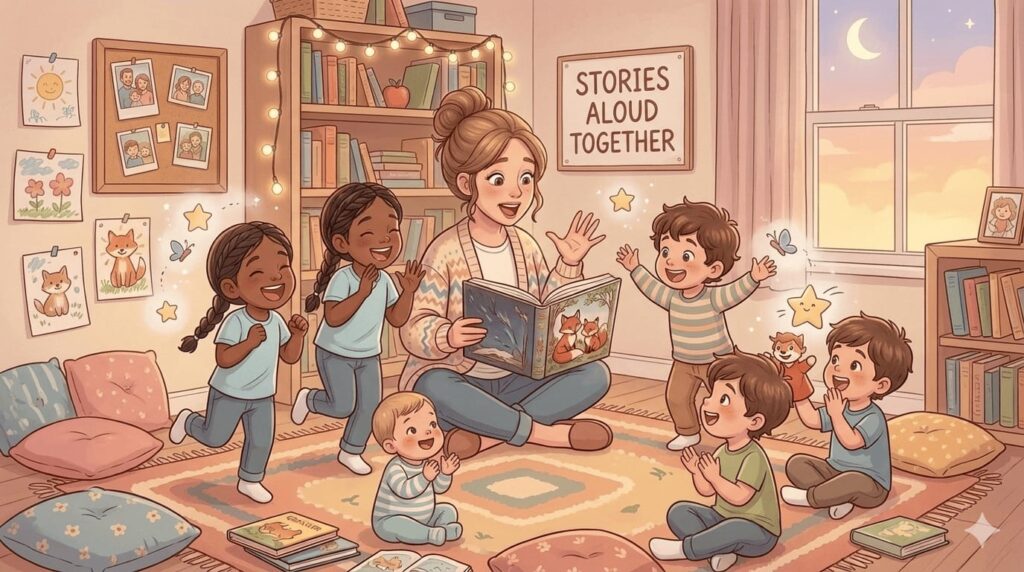
In today’s screen-heavy world, children often consume content without thinking. But when you read to them, something different happens. They don’t just hear words—they feel emotion, tone, and connection. Their minds begin to imagine scenes, predict what happens next, and understand language naturally.
Read aloud stories for kids are more than simple entertainment. They quietly build listening skills, comprehension, and emotional awareness.
Most importantly, they create a calm and safe space where children feel connected.
Creating Meaningful Moments Through Storytelling
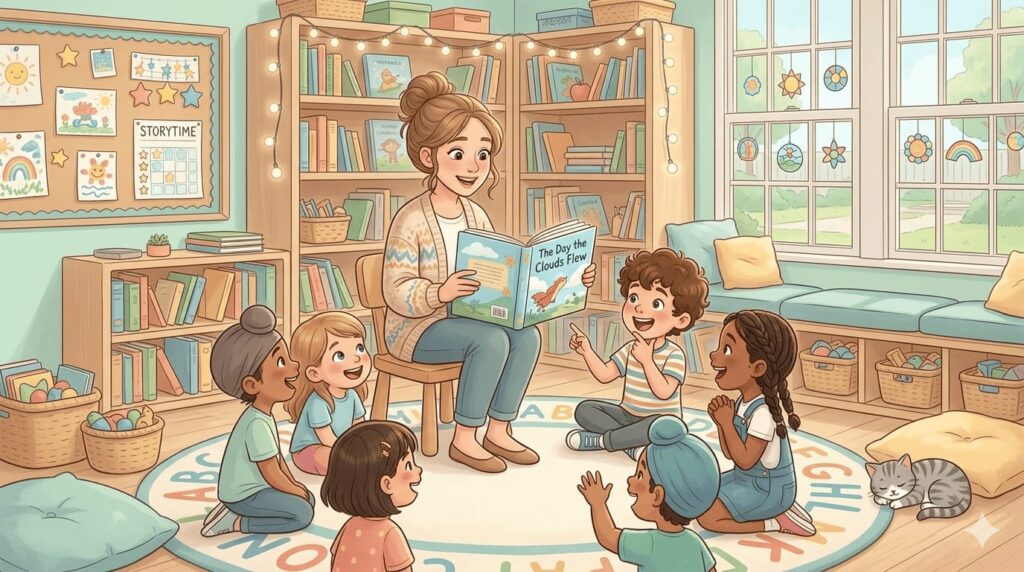
Storytelling has always been part of human life. But when you bring it to life through reading aloud, it becomes even more powerful.
Think about it:
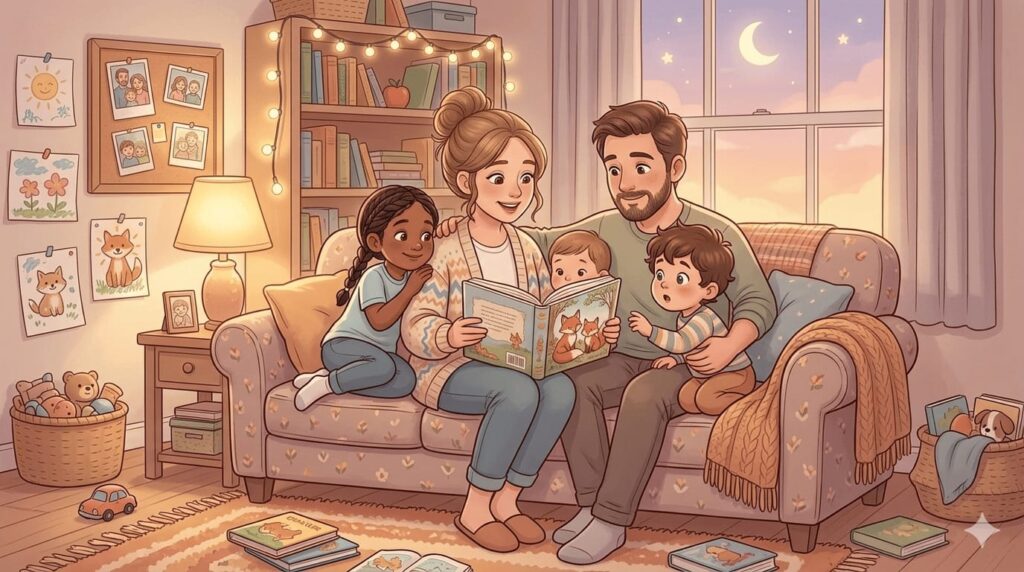
A parent reading before bed 📖
A teacher guiding story time 👩🏫
A child listening with full curiosity 👀
These are not just activities—they’re emotional moments.
Even short read aloud stories for kids can turn a stressful day into a peaceful experience. Over time, these moments build trust, comfort, and lasting memories.
👨👩👧 The Power of Shared Reading
Strengthening Family Bonds
Shared reading creates connection in a natural way.
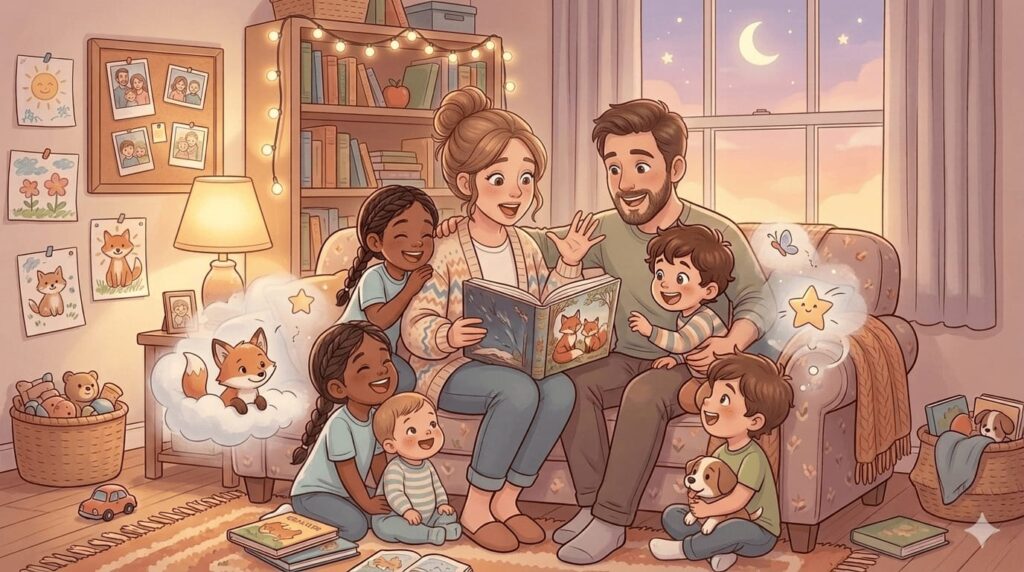
When families make time for read aloud stories, children begin to associate books with warmth and attention. This builds stronger relationships without forcing interaction.
For example:
Bedtime reading creates emotional calm 🌙
Weekend reading builds relaxed family time 🛋️
Daily routines create stability ⏰
Children may forget the story—but they remember the feeling.
Building a Love for Books Together
Children don’t fall in love with reading by force—they grow into it.
That’s where read aloud stories for preschoolers and toddlers help the most. Even if they can’t read yet, they can listen, imagine, and enjoy.
This slowly builds:
Curiosity about books 📚
Comfort with language 🧠
Interest in reading independently 🚀
It’s a natural process—not pressure.
🌟 What Makes a Great Read Aloud Story?
Not every story works well when spoken out loud. The best ones are simple, expressive, and engaging.
Easy-to-Follow Language
Children need clarity, not complexity.
The most effective simple read aloud stories for kids use:
Short sentences
Familiar words
Clear flow
This helps children understand without confusion.
Expressive Characters
Strong characters make stories memorable.
When children hear kids stories with emotion and personality, they connect deeply. They imagine voices, reactions, and feelings.
This turns listening into an experience.
Fun Dialogue and Repetition
Repetition helps children learn faster.
Many popular read aloud stories for kids include repeating phrases or patterns. This helps children:
Remember key parts 🧩
Join in while listening 🙋♂️
Improve speaking skills 🗣️
It also keeps them engaged till the end.
📚 Helping Children Learn While Listening
Growing Vocabulary Naturally
One of the biggest advantages of reading aloud is vocabulary growth.
Children hear new words in context, making them easier to understand. This works especially well in moral stories and simple narratives.
They don’t memorize—they absorb.
Improving Listening Skills
Listening is a core learning skill.
Read aloud stories for toddlers help improve:
Focus 🎯
Understanding 🧠
Attention span 🔄
Unlike passive watching, this requires active thinking.
Sparking Curiosity and Imagination
Stories unlock imagination.
Through engaging read aloud stories for kids, children explore:
New ideas 🌍
Different viewpoints
Creative thinking ✨
This supports both creativity and problem-solving.
📘 Types of Stories for Different Ages
Matching the story with the child’s age improves engagement.
For Toddlers (Ages 2–4)
Best choices include:
Simple plots
Repetition
Bright, clear ideas
Examples:
Animal stories 🐻
Rhyming patterns 🎶
Daily-life situations 🏠
For Preschoolers (Ages 4–6)
Children at this stage enjoy:
Slightly longer stories
Emotional themes
Small problems and solutions
Read aloud stories for preschoolers often include friendship and curiosity.
H3: For Early Readers (Ages 6–8)
Children begin to:
Understand deeper meaning
Follow structured stories
Enjoy lessons and morals
This is ideal for stories with moral lessons.
⚠️ Common Mistakes to Avoid
Even good reading habits can go wrong.
Avoid:
Reading too fast ⏩
Flat tone 😐
No interaction ❌
Difficult stories 📉
Ignoring the child 🚫
Fixing these makes a big difference.
✨ Making Every Session Memorable
Use Expression and Voice
Bring stories to life by:
Changing voices 🎭
Adding pauses ⏳
Showing emotion ❤️
This keeps children engaged.
Ask Questions
Keep children involved:
“What happens next?” 🤔
“Why did that happen?”
This builds thinking skills.
Let Kids Participate
Make it interactive:
Repeat phrases 🔁
Predict outcomes 🔮
Act scenes 🎬
This improves engagement and learning.
🌙 Bedtime Reading Benefits
Nighttime is perfect for storytelling.
Calming read aloud bedtime stories help:
Relax the mind 😌
Reduce screen use 📵
Improve sleep 💤
A soft, slow story creates a peaceful end to the day.
❓ Frequently Asked Questions
What are read aloud stories for kids?
These are stories spoken out loud instead of read silently. They help children improve listening, imagination, and emotional understanding while building a strong bond with the reader.
What are the benefits of reading aloud?
It improves vocabulary, listening skills, emotional bonding, and interest in books. Children also learn language patterns naturally.
How can I read effectively to kids?
Use expression, vary your tone, pause for effect, and involve children through questions and reactions.
Are these stories good for bedtime?
Yes. Calm storytelling helps children relax and sleep better while creating a consistent routine.
Where can I find free stories online?
You can explore educational websites, digital libraries, and storytelling platforms that offer both text and audio content.
Final Thoughts
In the end, read aloud stories are not just about reading—they’re about connection.
They build trust.
They develop skills.
They spark imagination.
Start small. Stay consistent.
And slowly, you’ll notice—
Children won’t just listen to stories…
They’ll start living them.
Keep the Storytime Going 😁💞
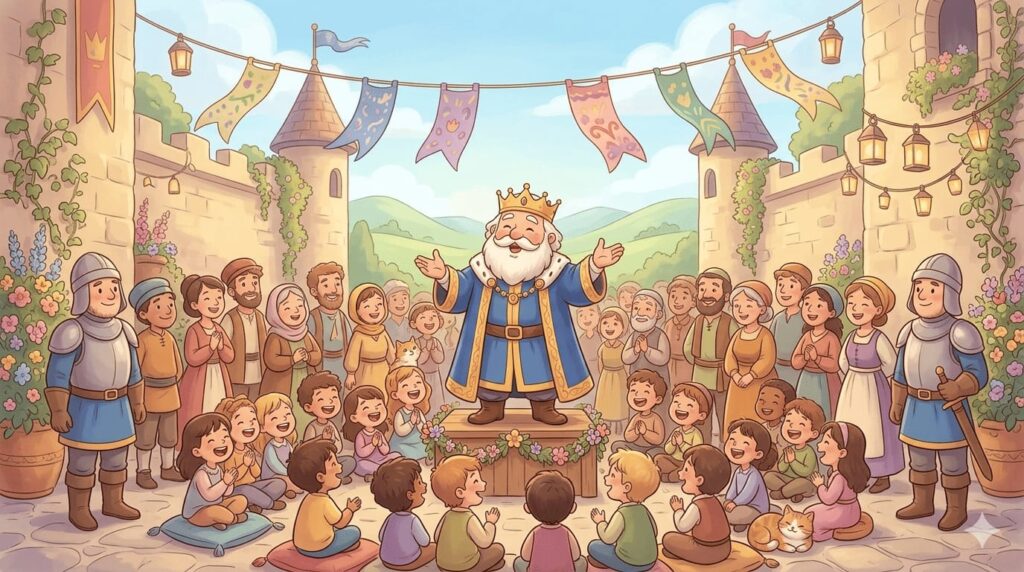
👑 The King Who Spoke in Rhymes
What if a king could only speak in rhymes… even when someone desperately needed help? 👑
The whole kingdom loved his magical words—until one little girl arrived with a problem that beautiful rhymes couldn’t solve. Can the king discover what truly matters more than perfect words? 💛
Read More →
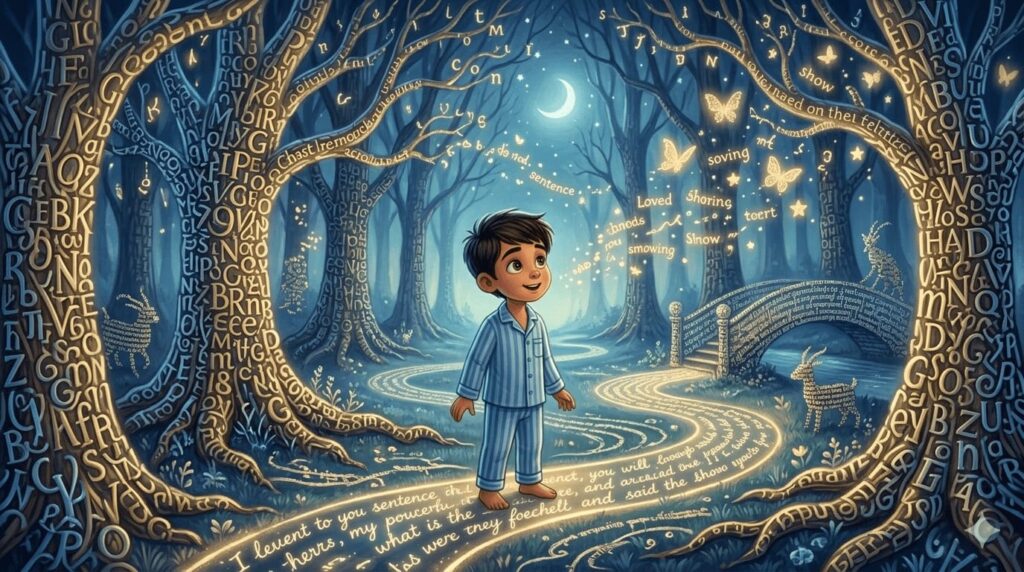
📚 The Day the Words Came Alive
What if the words in your favorite book suddenly started moving… and asked you to follow them? ✨
One quiet night, Ayan watches the pages of his book come alive and finds himself inside a magical world where forgotten stories begin to disappear. Can he save them before they fade forever?
Read More →
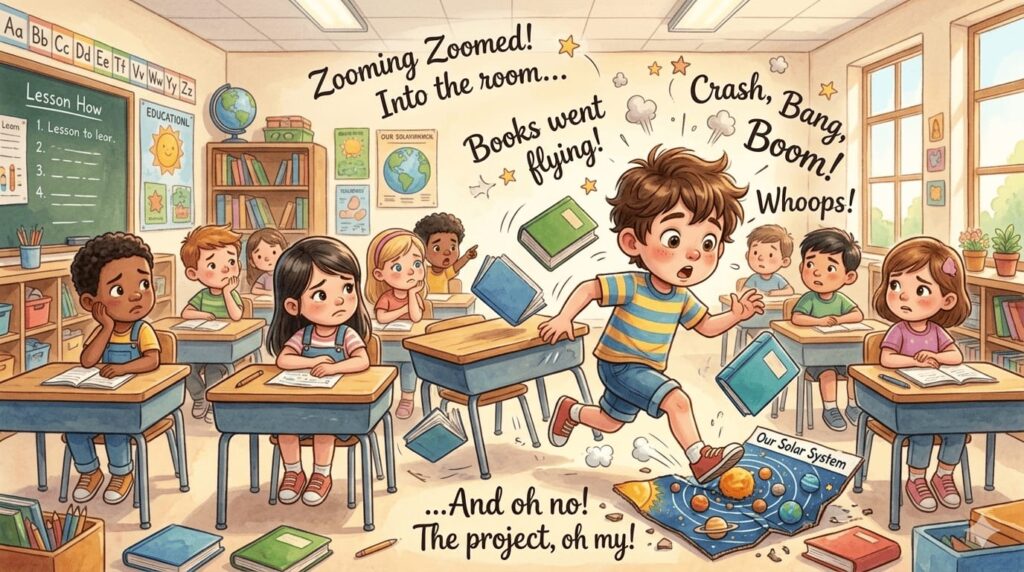
😅 The Boy Who Couldn’t Stop Saying “Oops!”
Can one tiny word slowly become a really big problem? 🤔
Sami thinks every mistake can be fixed with a quick “Oops!”—until one careless moment hurts someone deeply. Will he finally learn the difference between making a mistake and taking responsibility? ❤️
Read More →